 Teka

Kitchen taps: mixer types, spout reach and sink fit
A tap is decided by the sink and the worktop before it is decided by style. The hole diameter, the worktop thickness, the space behind the bowl for a pull-out hose and the height of the spout set the limits; the lever style, the cartridge and the finish come after. This guide takes those in the order that prevents a tap that will not sit flat, will not reach the bowl, or cannot be repaired.
Start with the sink, not the tap
The sink decides how many holes there are, where they sit and how much room the tap has behind the bowl. A sink drilled for one central hole takes a single lever mixer. A sink with a second hole may be intended for a separate spray or a filtered supply, and a sink with no holes is drilled on site or in the fabricator's workshop.
Measure the deck of the sink, meaning the flat area between the back edge and the bowl, and the distance from the hole to the nearest bowl edge. A tap with a long spout needs that distance to be useful; a tap with a short spout ends up washing the near edge of a deep bowl and never reaches the middle.
If the sink is not chosen yet, choose the pair together. The sink decides the holes and the bowl layout, the tap decides the height you have to live with, and changing either after the worktop is cut means drilling stone or stainless steel a second time.
The hole and the worktop are the two hard numbers
Almost every kitchen mixer in this catalogue is specified for a 35 mm hole. That number appears on the product sheets as the mixer hole, and it is the first thing to compare with your sink or worktop, because a tap listed for a 35 mm hole will not sit flat in a 25 mm or a 50 mm opening.
The second number is the maximum worktop thickness. Most taps here list 40 mm, which covers a standard quartz or granite top; some list 50 mm and a few 55 mm for thicker or built up edges. The threaded shank under the tap has a fixed length, and a worktop thicker than the stated maximum leaves no thread for the fixing nut.
Many taps also ship with a strengthening plate, usually 45 to 50 mm across. It spreads the load under a thin worktop or a stainless steel sink deck so the tap does not flex when it is pulled. If the plate is included, it adds to the thickness the shank has to pass through, and that has to be counted in the same measurement rather than discovered on site.
- Mixer hole: 35 mm on nearly every tap in this catalogue; confirm the exception on the sheet.
- Maximum worktop thickness: usually 40 mm, with 50 mm and 55 mm variants, and a few listed lower.
- Strengthening plate: often 45 to 50 mm, included with the tap, and part of the stack under the deck.
Single lever or pull-out
Two families cover almost the whole catalogue. A single lever mixer has a fixed spout: the lever controls flow and temperature, the spout swings or is fixed, and the whole fit is compact. A pull-out mixer has a hose inside the body and a head that lifts out on a flexible line, so the water can be taken to a pan beside the sink, or into a corner of a large bowl.
The pull-out is the more useful tap in a busy kitchen and the more demanding one to install. The hose needs a clear run under the deck to return to its seat, and the weight that pulls it back hangs on that line below the worktop. A cabinet with a drawer immediately under the tap, or a deep bowl that leaves no space behind it, is where a pull-out becomes awkward rather than convenient.
A common arrangement here is a single lever with a rotating barrel and an extractable shower head, which combines the compact body of a mixer with a pull-out spray. There is also a small number of three way mixers with dual control, which bring a filtered supply into the same body as the normal hot and cold feed.
Spout height and reach, measured against your tallest pan
Height is quoted from the deck to the top of the body, and in this catalogue it runs from about 28 cm to about 48 cm. A taller body looks generous and clears a stock pot, but it also puts the spout closer to a window sill, a wall cabinet or the underside of a shelf, so the clear height above the worktop matters as much as the tap's own size.
Reach is the horizontal distance from the centre of the tap to the middle of the water stream. It has to be long enough to land inside the bowl and short enough not to overhang the front edge when the spout is turned. On a double bowl sink, check that the spout can reach both bowls when it swings, rather than only the one it was aimed at in the showroom.
A simple test before ordering: measure from the tap hole to the far edge of the bowl and compare it with the quoted reach, then add the height of the tallest thing you routinely fill. If either number is close, go and read the sheet for that exact model rather than the family.
Swivel angle and the space behind the bowl
Swivel is quoted as a rotating angle and the range here runs from 140 degrees up to a full 360. A narrow angle keeps the spout over the sink; a full turn lets it reach a draining board or a second bowl, but it also means the spout can be turned towards a wall or a window, so the stop positions are worth checking.
Behind the tap there must be room for the lever to move back and for a pull-out hose to travel. A tap pushed hard against a tiled upstand loses part of its lever travel, and a pull-out hose that kinks against the back of the cabinet will not retract cleanly.
The cartridge is the part that fails first
Inside the body sits a cartridge, the valve the lever turns. The taps here use ceramic disc cartridges, listed as 25 mm or 35 mm. The size is not a quality ranking, it is the part number you will need when a drip starts, so it is worth noting the cartridge size and the model code at the time of purchase rather than after the drip appears.
A cartridge that is scaled up by hard water can often be cleaned or replaced; a body that has corroded cannot. That is why the cartridge type and the warranty are more useful on a spec sheet than a description of the finish.
Brass or AISI 316 stainless steel
Most taps here are brass, which is the material the industry has used for decades and which takes a chrome or painted finish well. A smaller group is listed as AISI 316 stainless steel, the marine grade alloy, and is normally chosen where the tap sits near salt air or where a bare metal look is wanted rather than a plated one.
Both are fine in a domestic kitchen. The decision is usually about the finish you want and how the tap will be cleaned, not about one material being wrong for a UAE kitchen.
Finishes: chrome, black, gold and brushed steel
Chrome is the largest group in the catalogue, followed by black, gold, stainless and silver tones, with smaller numbers in copper, gunmetal and PVD finishes. The colour on the sheet is the colour you will live with, and it is worth holding a sample next to the sink and the worktop, because a warm gold reads very differently against a grey composite sink than against stainless steel.
Care matters more than the finish name. A soft cloth and a mild soap solution keep a plated or painted surface intact; abrasive pads and descaling acids dull it, and a strong limescale remover left to sit on a matt black body can leave a mark. Where a tap is going into a hard water area, plan to wipe it dry rather than to scrub it.
Pressure and flow before you buy
A mixer needs a reasonable working pressure to behave like the one in the showroom. On a low pressure system, a tall body with a pull-out head can feel sluggish, and a small bore flexi tail can reduce flow further. If the property runs on a tank rather than mains pressure, say so before choosing, because the same tap can feel entirely different on the two systems.
Some models here are described as eco taps with a reduced flow, which is a deliberate choice for water saving and not a fault. Read that line on the sheet if the flow matters to you, especially in a kitchen where a large pot is filled every day.
A five minute check before you order
Take the sink model and the worktop thickness, then compare three things against the tap sheet: the hole diameter, the maximum worktop thickness and the clearance behind the bowl for the lever and any hose. Then check the reach against the bowl and the height against whatever sits above the worktop.
If the sink is already installed, photograph the deck and measure the hole rather than assuming it is standard. If the worktop is not cut yet, give the fabricator the tap sheet at the same time as the sink sheet, so the holes are drilled once, in the right place, at the right diameter.
- Hole diameter matches the tap, normally 35 mm.
- Worktop thickness is within the stated maximum, including any strengthening plate.
- Space behind the bowl for the lever travel and the pull-out hose.
- Reach lands inside the bowl, height clears the tallest pan and the window.
- Working pressure suits the property, and the cartridge size is recorded.
Kitchen Mixer Taps in the catalogue
289 products match this guide's recommendation, 202 of them in stock today. Showing 8, in-stock first.
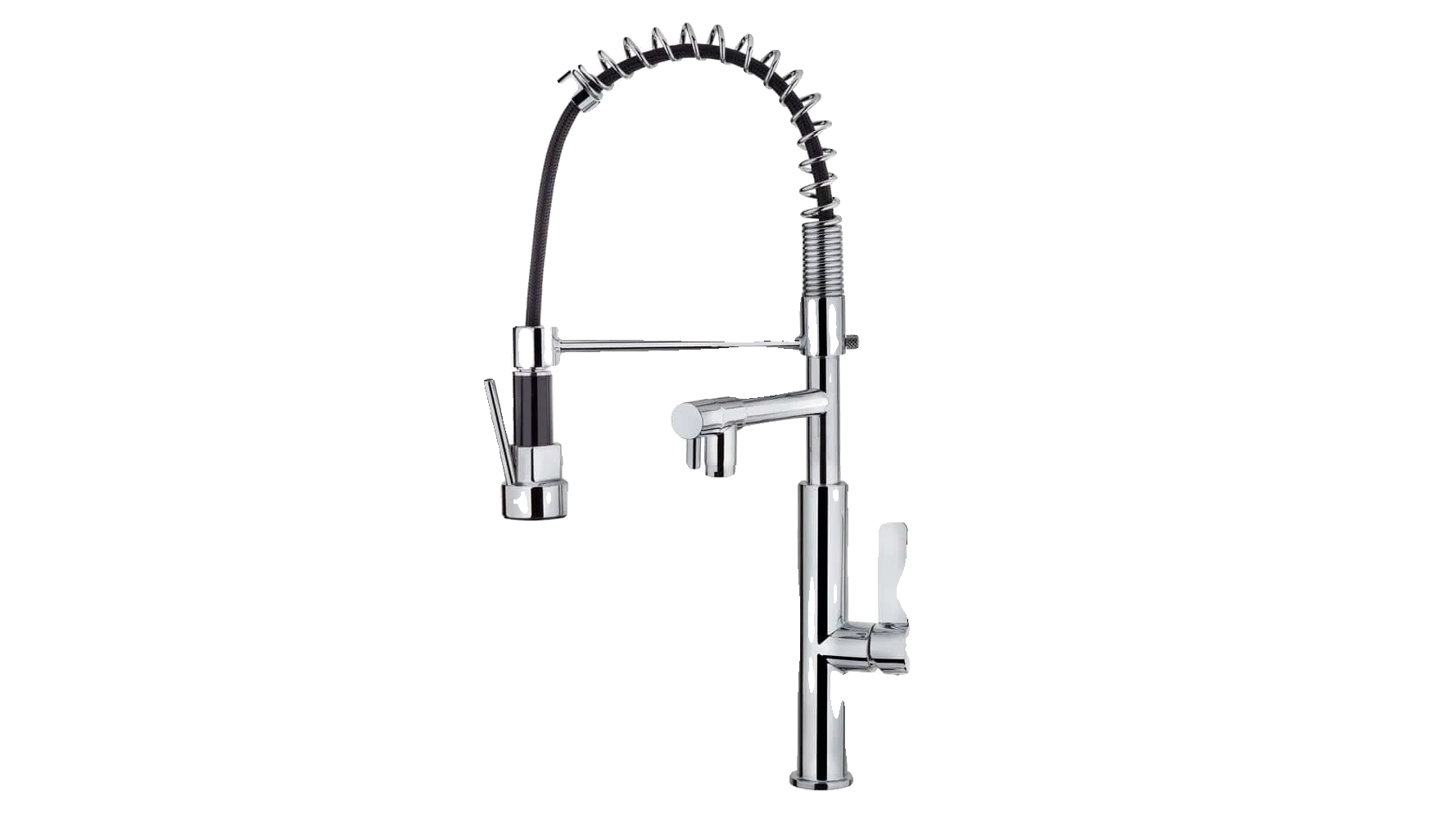
Teka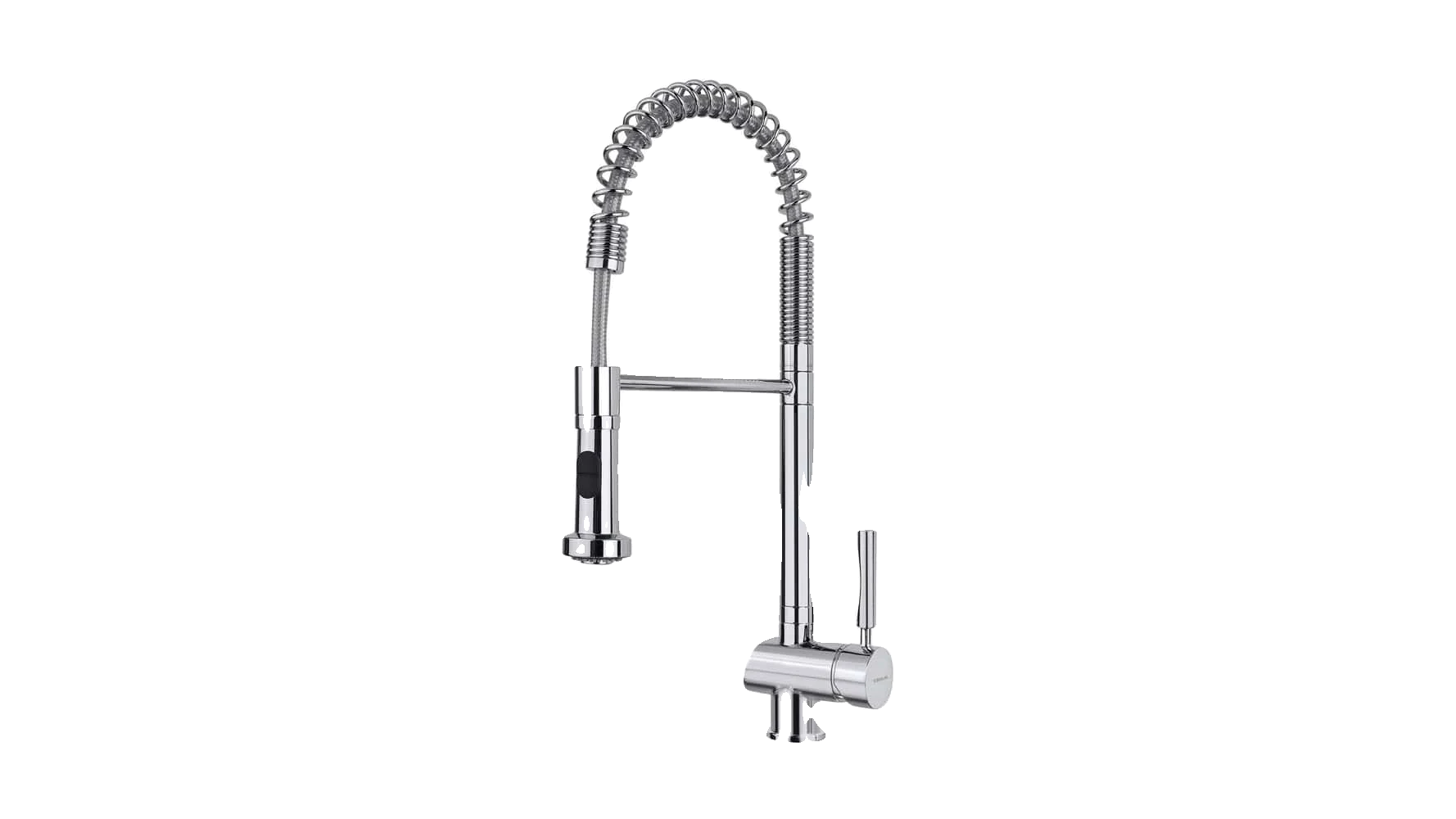 Teka
TEKA MAESTRO MY1 Professional Kitchen Tap Flexible Mixer
AED 1,549● In stockSelect options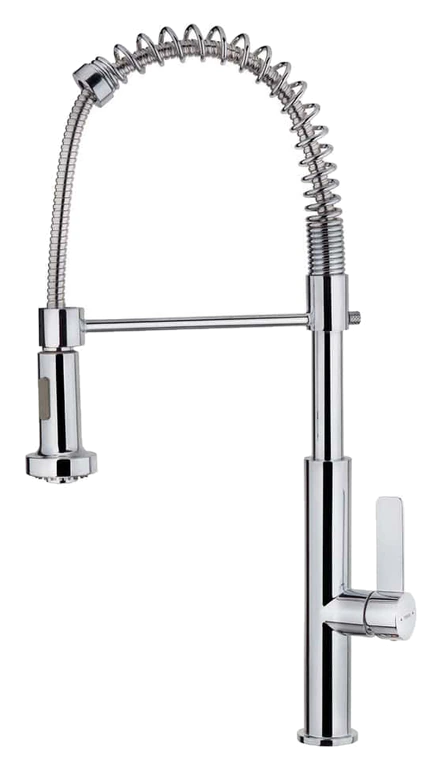 Teka
TEKA MAESTRO FOT 939 Professional Kitchen Mixer swivel and flexible spout
AED 849● In stockSelect options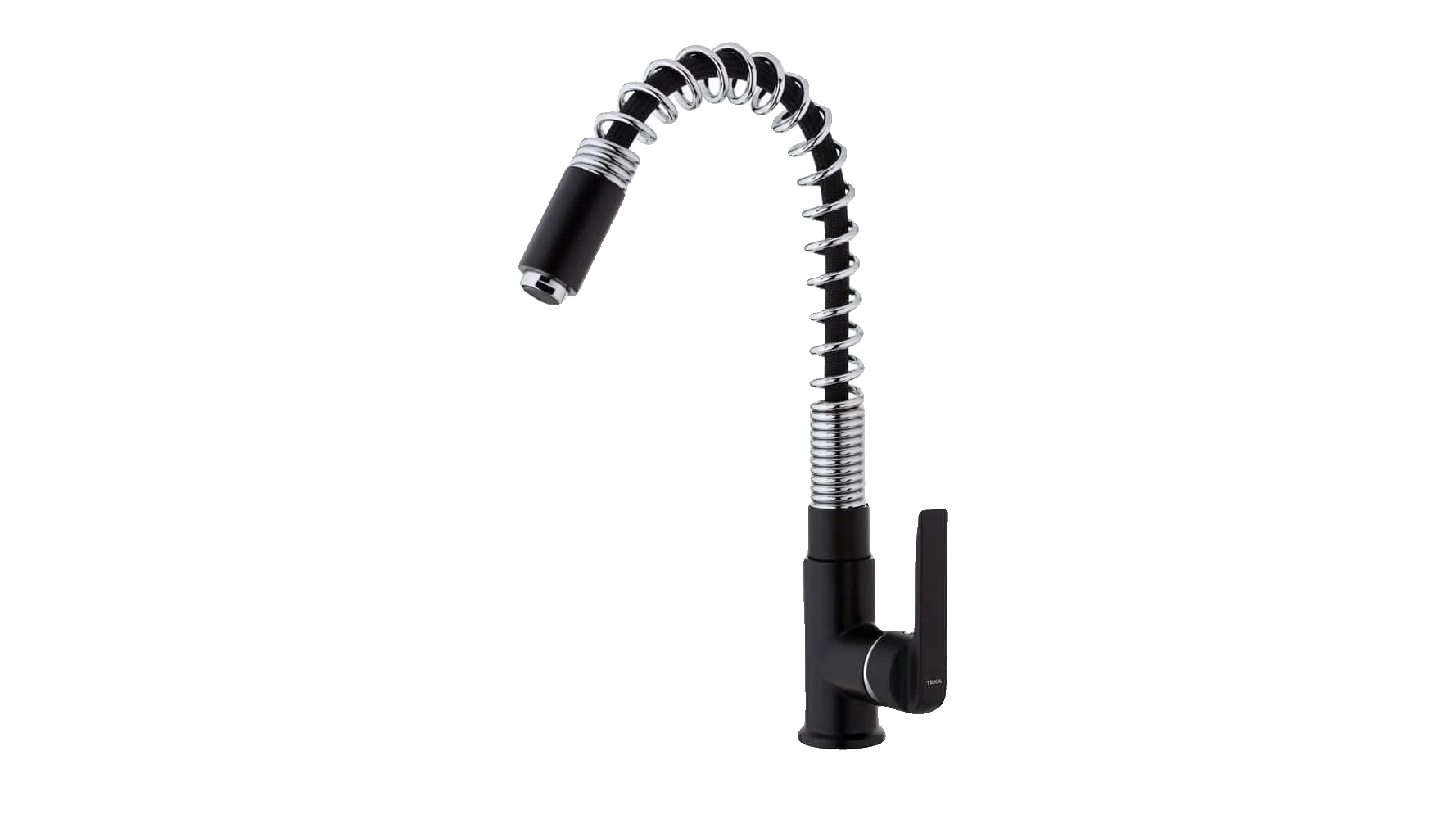 Teka
TEKA MAESTRO IN 934 N Semi-professional Kitchen Tap Mixer with flexible spout
AED 772● In stockSelect options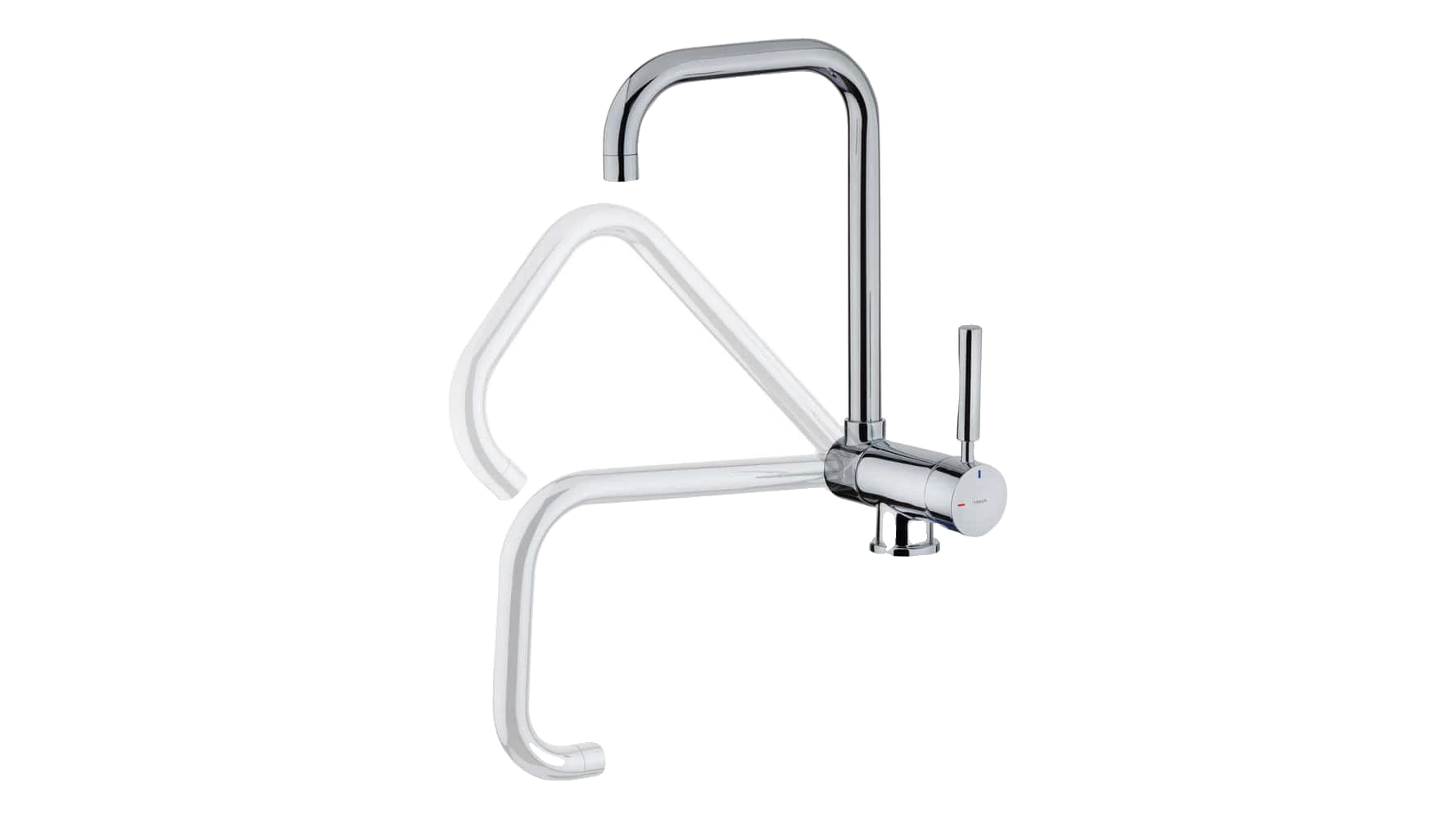 Teka
TEKA EASY MTP 984 Under Window Sink Mixer with swivel spout
AED 794● In stockSelect options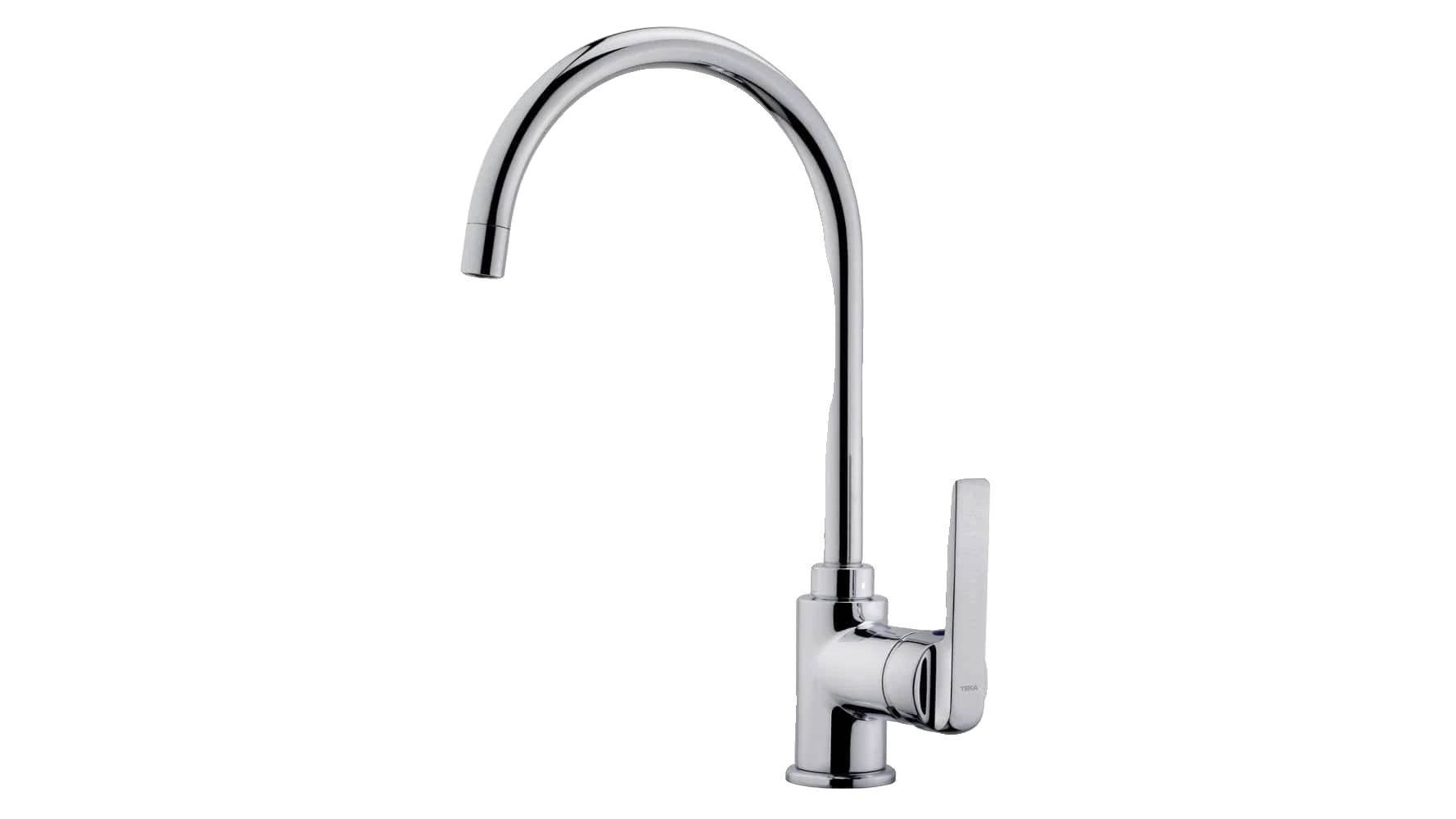 Teka
TEKA EASY IN 995 Kitchen Tap Mixer with high swivel spout and anti-scale aerator
AED 508● In stockSelect options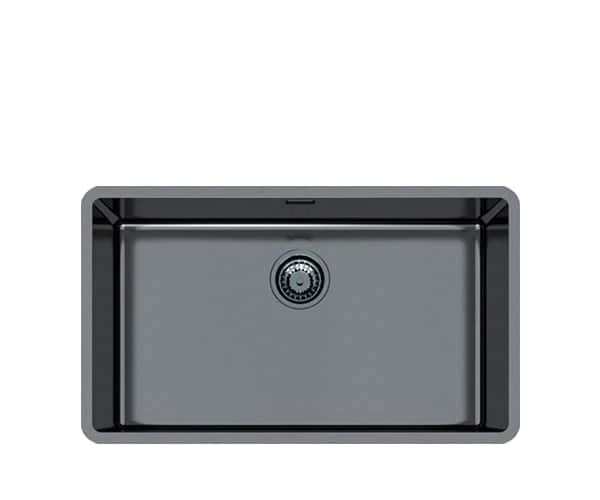 Foster
 2157 856 KE Single Bowl Undermount Gun Metal Sink 75 x 44cm
AED 5,717● In stockSelect options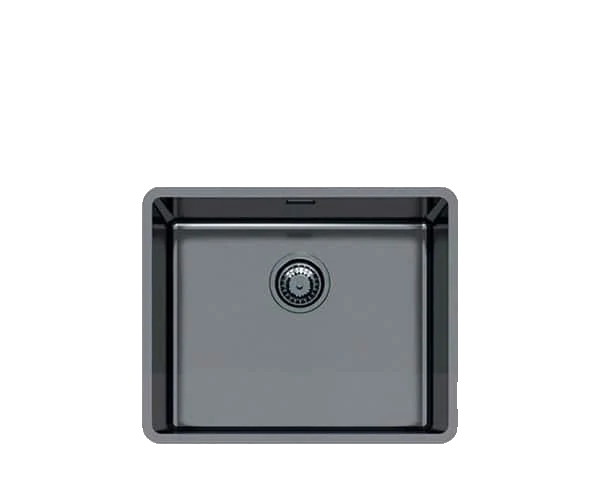 Foster
 2155 856 KE Single Bowl Undermount Gun Metal Sink 54 x 44cm
AED 4,562● In stockSelect optionsSee the full selection on Kitchen Mixer Taps or browse Taps.
Kitchen taps: mixer types, spout reach and sink fit: common questions
What size hole does a kitchen mixer tap need?
Most kitchen mixers in this catalogue are specified for a 35 mm hole. Individual models vary, so check the mixer hole on that product's sheet before drilling; a tap made for 35 mm will not sit flat in a smaller or larger opening.
Can the hole in a granite or stainless sink be enlarged?
No, not reliably. Composite and stainless sinks are drilled at the factory, and enlarging a hole on site risks cracking the deck or breaking through the bowl edge. Choose a tap that matches the hole you already have, or choose the sink and tap together.
Why does a pull-out hose not retract properly?
Usually because the hose is pinched or kinked behind the bowl, or the counterweight has no clear drop under the worktop. The hose needs a straight run and space for the weight to hang, which a drawer directly under the tap often takes away.
Is a 40 mm worktop too thick for a kitchen tap?
For most taps here 40 mm is the stated maximum, so a standard top is fine. Thicker tops, or a top plus a strengthening plate, can exceed the shank length; check the maximum worktop thickness on the sheet and count the plate in that number.
My tap drips. Does the whole tap need replacing?
Not usually. A drip is normally the cartridge, which is a replaceable part sold in 25 mm and 35 mm sizes. Note the cartridge size and model code from the sheet, replace the cartridge, and keep the body.