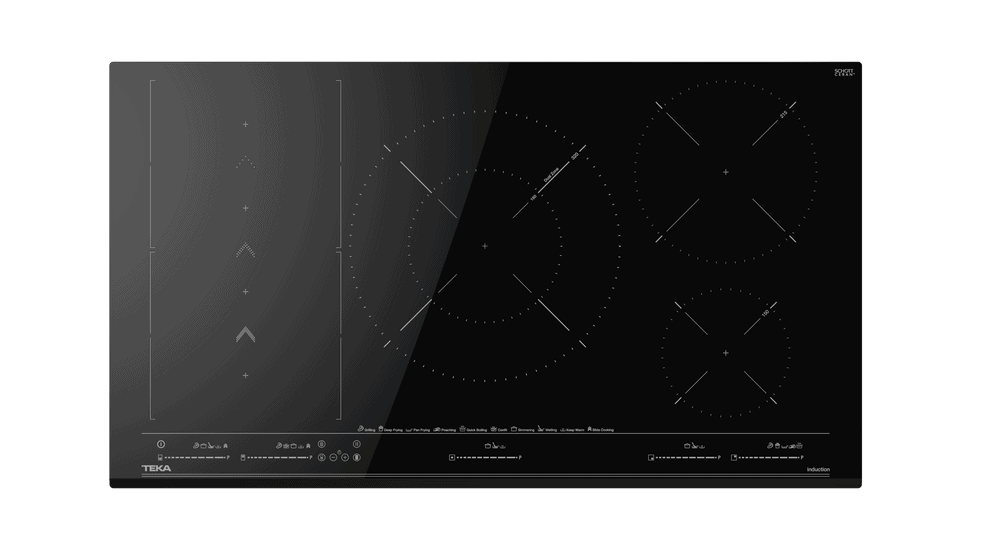
 Teka
Teka
Gas or induction hob: how to choose
Induction heats the pan directly and responds fast; gas heats the air and the pan and gives you a visible flame. Induction needs a suitable electrical supply and magnetic cookware; gas needs a gas connection and ventilation. In the UAE, gas is usually already in place, while induction is often chosen for speed, cleaning and a flatter, cooler surface.
What each one needs in the kitchen
Induction hobs need a supply that can carry their rated load and, on high-power models, a dedicated circuit. They also need cookware with a magnetic base: cast iron and most stainless steel pans with a magnetic base work, while aluminium and copper pans without an induction plate do not.
Gas hobs need a gas supply of the correct type and, in a built-in setting, adequate ventilation. Injectors differ between piped gas and bottled butane or propane, so the appliance has to match the supply that exists rather than the other way around.
- Induction: check the supply rating, the circuit and whether your pans are magnetic.
- Gas: check piped or bottled supply, the injector set and ventilation.
- Either way: measure the worktop cut-out on the product page, because that is what has to match the worktop, not the glass size.
Cooking behaviour
Induction is precise and quick, and it holds a low simmer without a bain-marie. It also makes the area around the pan far less hot, which matters in a small kitchen.
Gas is visible and immediate in a different way: you see the flame, you can char directly over it and the heat spreads up the side of a pan, which suits woks and some traditional cooking.
Cleaning and safety
Induction is a flat glass surface that wipes clean, and most models lock the controls so a cloth cannot change a setting. Gas hobs have pan supports, burners and caps that need removing and washing, and spilled food can block burner ports if left.
Whichever you choose, a flame-failure safety device on a gas hob and a child lock on an induction model are worth checking in the specification.
Hood, hob and installation
The hood should be at least the width of the hob, and a gas hob generally benefits from more extraction because combustion adds moisture and heat to the air.
KitchenByPro supplies the appliance. Connection and installation are carried out by the brand's authorised service centre or your own fitter; a gas connection in particular is not a DIY job.
Induction Hobs in the catalogue
62 products match this guide's recommendation, 29 of them in stock today. Showing 8, in-stock first.
Teka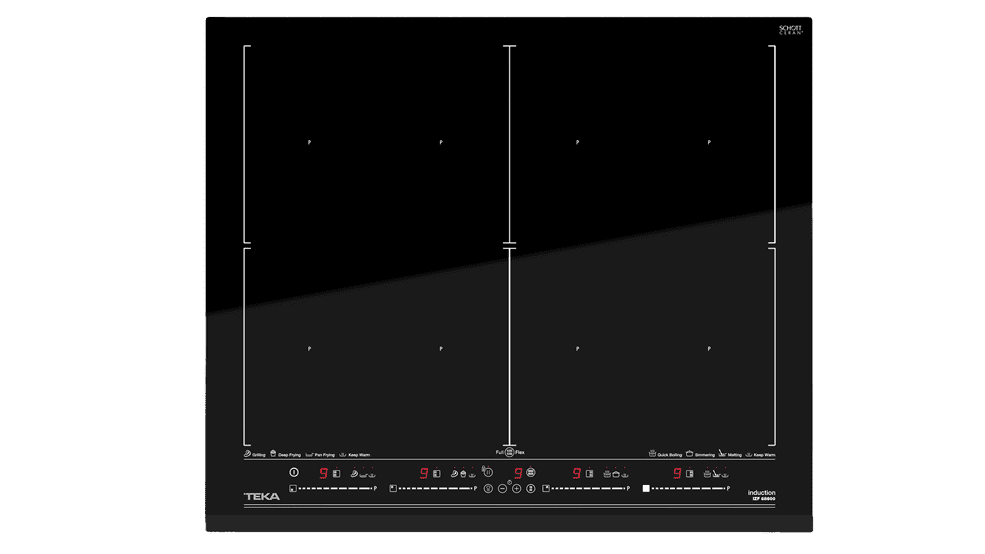 Teka
TekaTEKA MAESTRO DirectSense IZF 68600 MSP DirectSense with Full Flex induction with 8 cooking zones in 60 cm
AED 4,699● In stockSelect options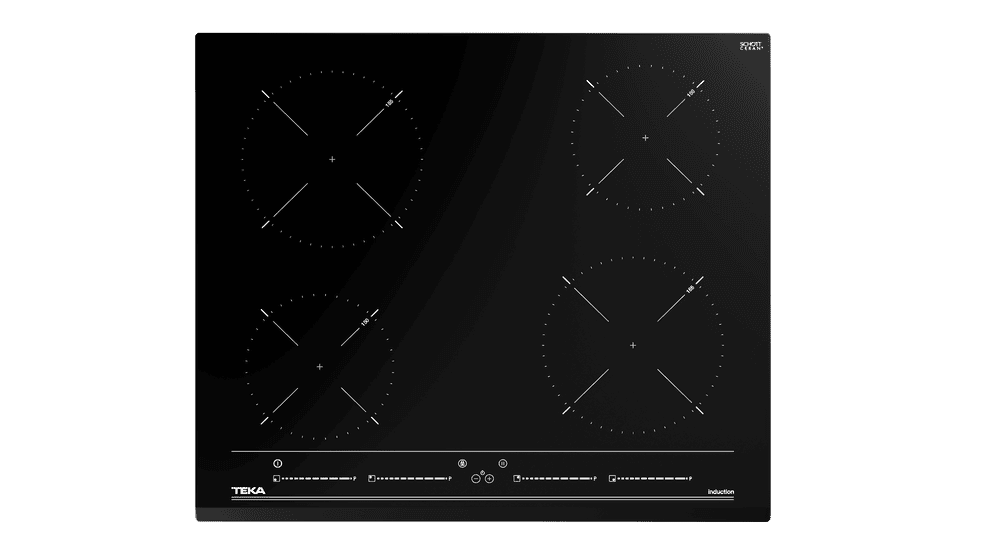 Teka
TekaTEKA EASY IZC 64010 BK MSS 60cm Induction Hob with Direct Functions MultiSlider and 4 zones
AED 3,402● In stockSelect options Teka
TekaTEKA MAESTRO IZS 34700 MST modular induction Flex hob 30 cm
AED 2,649● In stockSelect options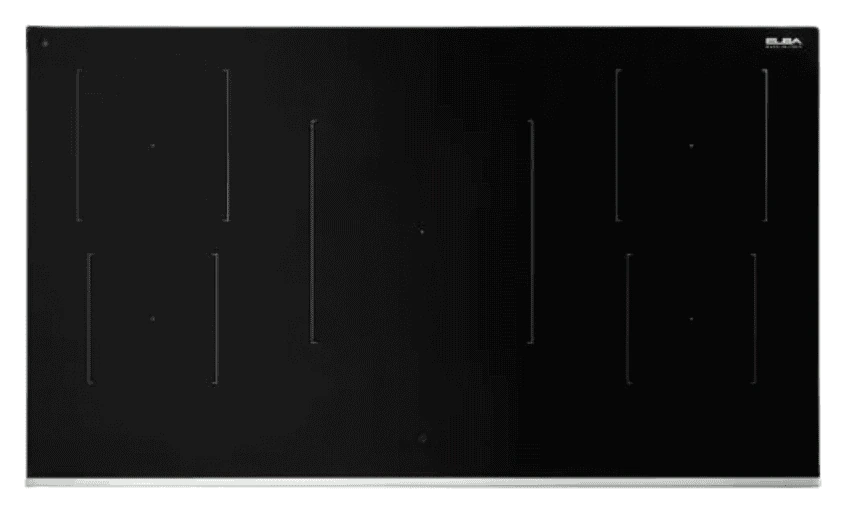 Elba
ElbaElba EIN 900 XF Built-In Induction Hob 90cm
AED 5,198● In stockSelect options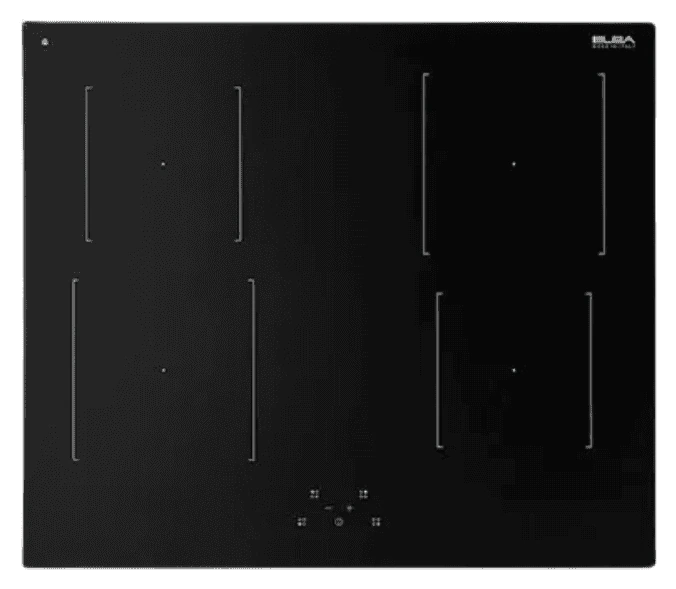 Elba
ElbaELBA EIN 600 Built-In Induction Hob 60 cm
AED 3,171● In stockSelect options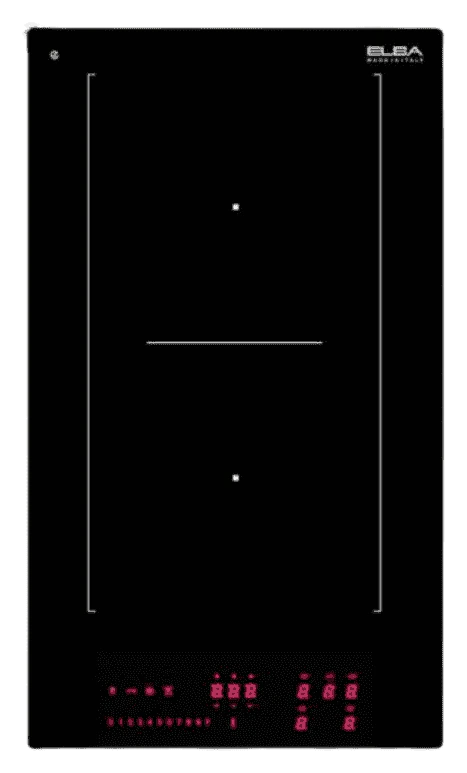 Elba
ElbaElba EIN 302 Built-In Induction Hob 30cm
AED 2,536● In stockSelect options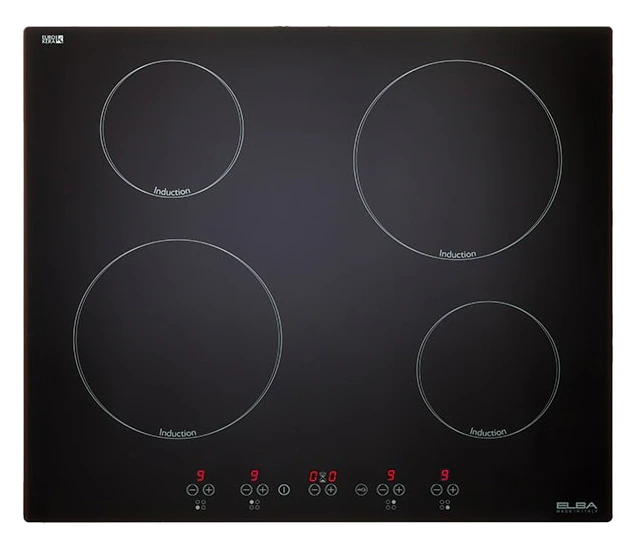 Elba
ElbaElba 345-004 IS Built-In Induction Hob 60cm
AED 3,817● In stockSelect optionsSee the full selection on Induction Hobs or browse Hobs.
Gas or induction hob: how to choose: common questions
Will my existing pans work on induction?
If a magnet sticks firmly to the base, the pan will normally work. Pure aluminium, copper and glass pans will not, unless they carry an induction plate.
Is induction cheaper to run than gas?
Running cost depends on your tariff and how you cook, so we do not quote a figure. Induction transfers more of its energy into the pan, while gas loses some around the pan.
Can I replace a gas hob with an induction hob?
Often yes, but the electrical supply has to be checked first and the old gas point has to be capped safely by a competent person. Measure the existing cut-out before ordering, because a like-for-like fit avoids worktop cutting.
Does a gas hob need a particular hood?
It needs a hood at least as wide as the hob, and ducted extraction if a duct route exists, because gas cooking produces heat and moisture as well as grease.