 Teka
Teka
Inset, undermount or topmount: kitchen sink mounting explained
An inset sink sits in a cut-out with its rim over the worktop; an undermount sink is fixed below the worktop so the surface runs into the bowl; a topmount sits on top of the surface with a visible rim. The worktop material and the cabinet below decide which one is practical.
How each mounting style works
An inset sink needs a cut-out, usually made from a template supplied with the sink, and the rim covers the cut edge. It is the most straightforward to fit and the easiest to replace later.
An undermount sink is bonded or clamped beneath the worktop, so crumbs can be wiped straight into the bowl and there is no rim to trap dirt. It needs a worktop that can take the fixing and a fabricator who can cut and polish the opening correctly.
A topmount sink sits on the surface with a visible rim. It is common on stainless worktops and in retrofit work.
- Stone and quartz worktops: undermount is common, but the cut edge must be finished and the bowl supported.
- Laminate and solid surface: check the manufacturer's guidance, because a cut edge can be vulnerable to water.
- Retrofit: an inset sink is normally the simplest change because it reuses the existing cut-out size when the dimensions match.
Bowl layouts
A single bowl suits large pans and trays. A one-and-a-half bowl adds a small secondary bowl for rinsing. A double bowl separates washing from rinsing, and is common in family kitchens. The right choice follows how you wash, and the cabinet width has to support it.
Dimensions and the cabinet below
The sink has to fit inside the base cabinet with room for the bowl, the waste and any appliance below, such as a dishwasher. Measure the internal cabinet width and check the bowl depth against the drawer or appliance that shares the space.
Check the waste position too: it determines where the trap and the drain run, and a badly placed waste can foul a drawer front.
Material and finish
Stainless steel is durable and heat resistant. Composite granite resists scratching and is chosen for colour and feel, but it is heavy and harder to replace. Match the tap finish to the sink, because chrome and brushed steel read differently side by side.
Undermount Kitchen Sinks in the catalogue
61 products match this guide's recommendation, 29 of them in stock today. Showing 8, in-stock first.
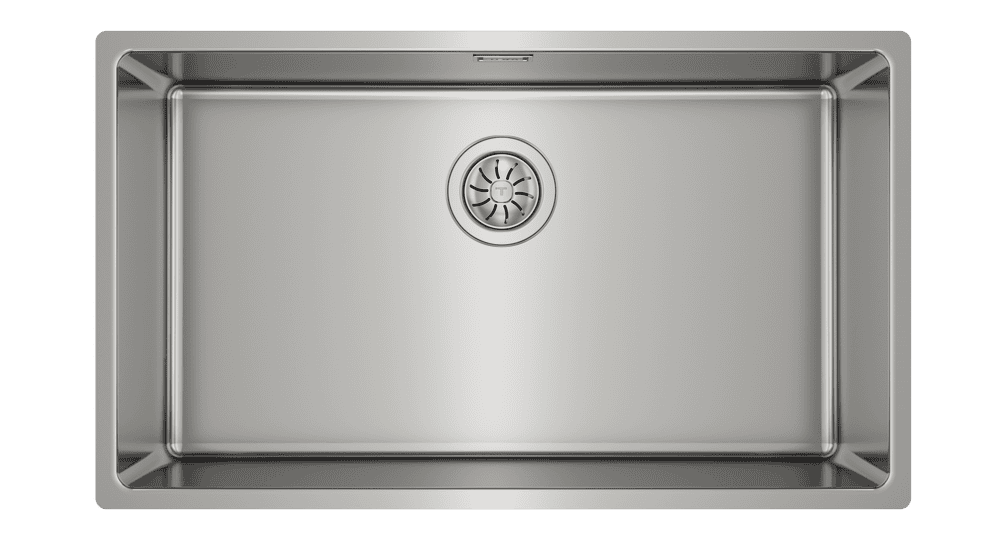
Teka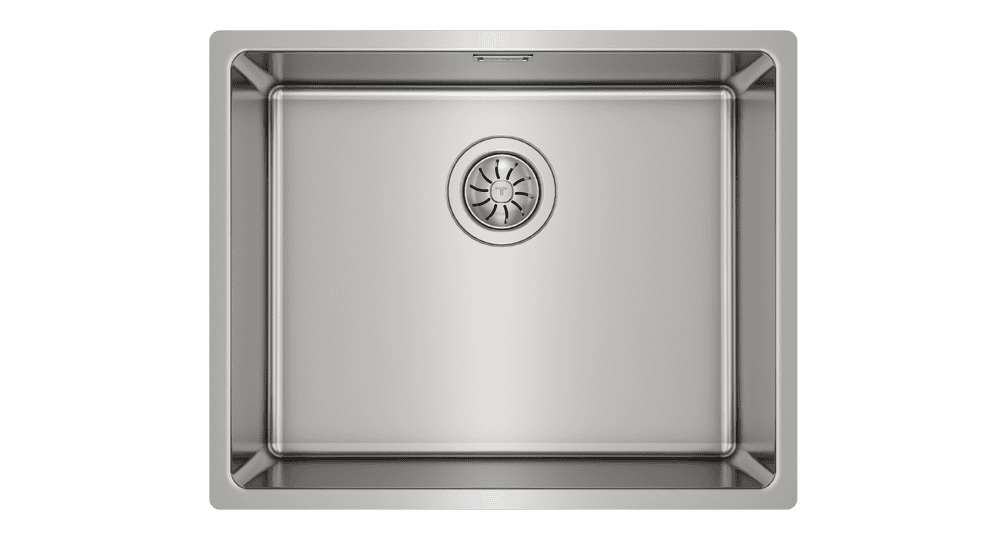 Teka
TekaTEKA MAESTRO Be Linea RS15 50.40 Undermount Stainless Steel Sink with one bowl
AED 1,098● In stockSelect options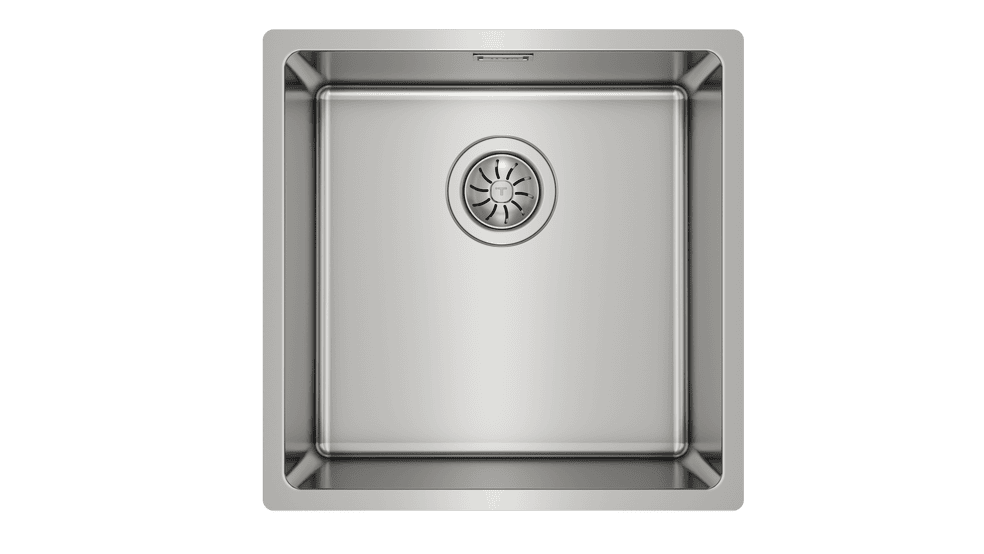 Teka
TekaTEKA MAESTRO Be Linea RS15 40.40 Undermount Stainless Steel Sink with one bowl
AED 977● In stockSelect options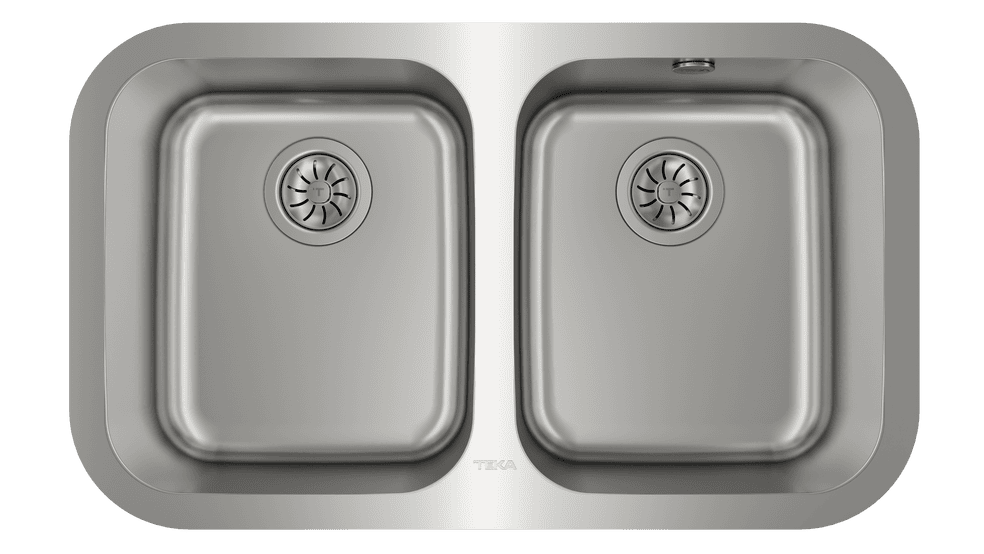 Teka
TekaTEKA TOTAL BE 2B 780 Undermount Stainless Steel Sink
AED 1,153● In stockSelect options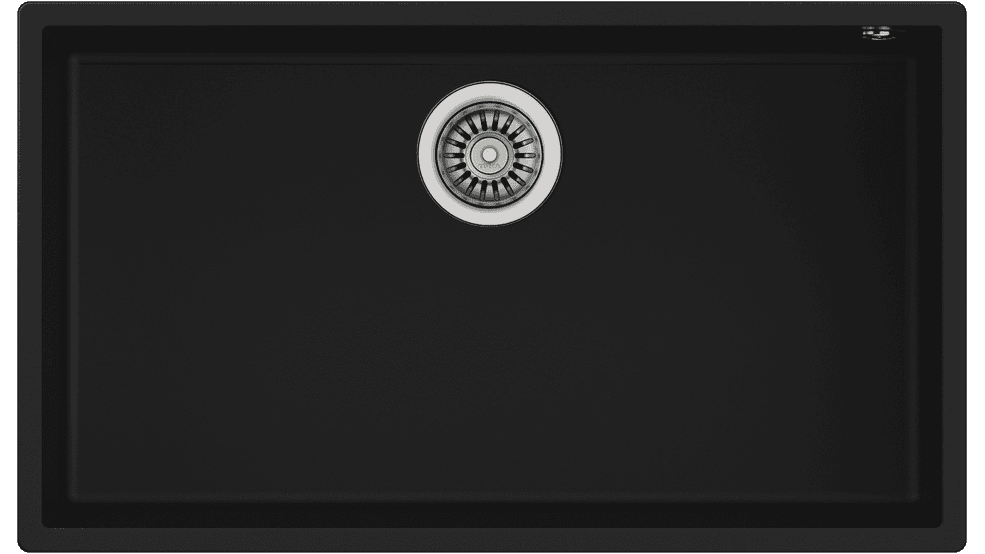 Teka
TekaTEKA MAESTRO SQUARE 72.40 TG BK Undermount Tegranite Sink with one bowl
AED 1,439● In stockSelect options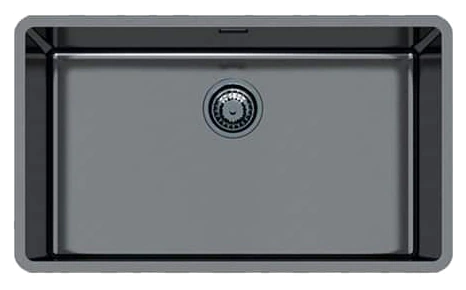 Foster
Foster 2157 856 KE Single Bowl Undermount Gun Metal Sink 75 x 44cm
AED 5,717● In stockSelect options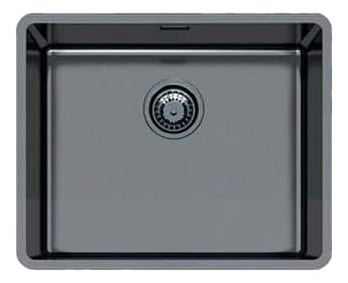 Foster
Foster 2155 856 KE Single Bowl Undermount Gun Metal Sink 54 x 44cm
AED 4,562● In stockSelect options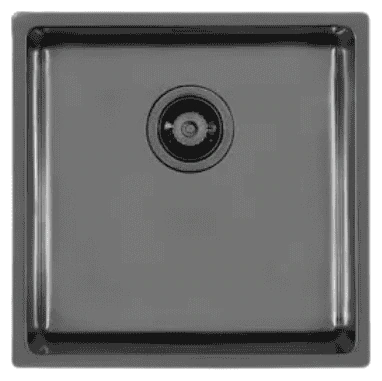 Foster
Foster 2156 856 KE Single Bowl Undermount Gun Metal Sink 44 x 44cm
AED 4,031● In stockSelect optionsSee the full selection on Undermount Kitchen Sinks or browse Kitchen Sinks.
Inset, undermount or topmount: kitchen sink mounting explained: common questions
Can I replace an inset sink with an undermount sink?
Only if the fabricator can open the existing cut-out to the larger opening the undermount needs and finish the new edge. In many stone worktops that work is possible, but it is a worktop job, not a sink swap.
Which sink mounting is easiest to keep clean?
An undermount, because there is no rim for residue to collect against. An inset sink is easier to install and replace.
How do I choose between single and double bowl?
By how you wash. Large trays and pans favour a single wide bowl; washing and rinsing separately favours a double or one-and-a-half bowl. Check the cabinet width before deciding.